Morning and evening routines shape the entire day. When those routines are stressful, rushed, or inconsistent, it can affect mood, confidence, transportation, appointments, work, school, and community activities. For people with disabilities, routines can be especially important because they provide structure, predictability, and a sense of control.Technology can help make these routines easier.
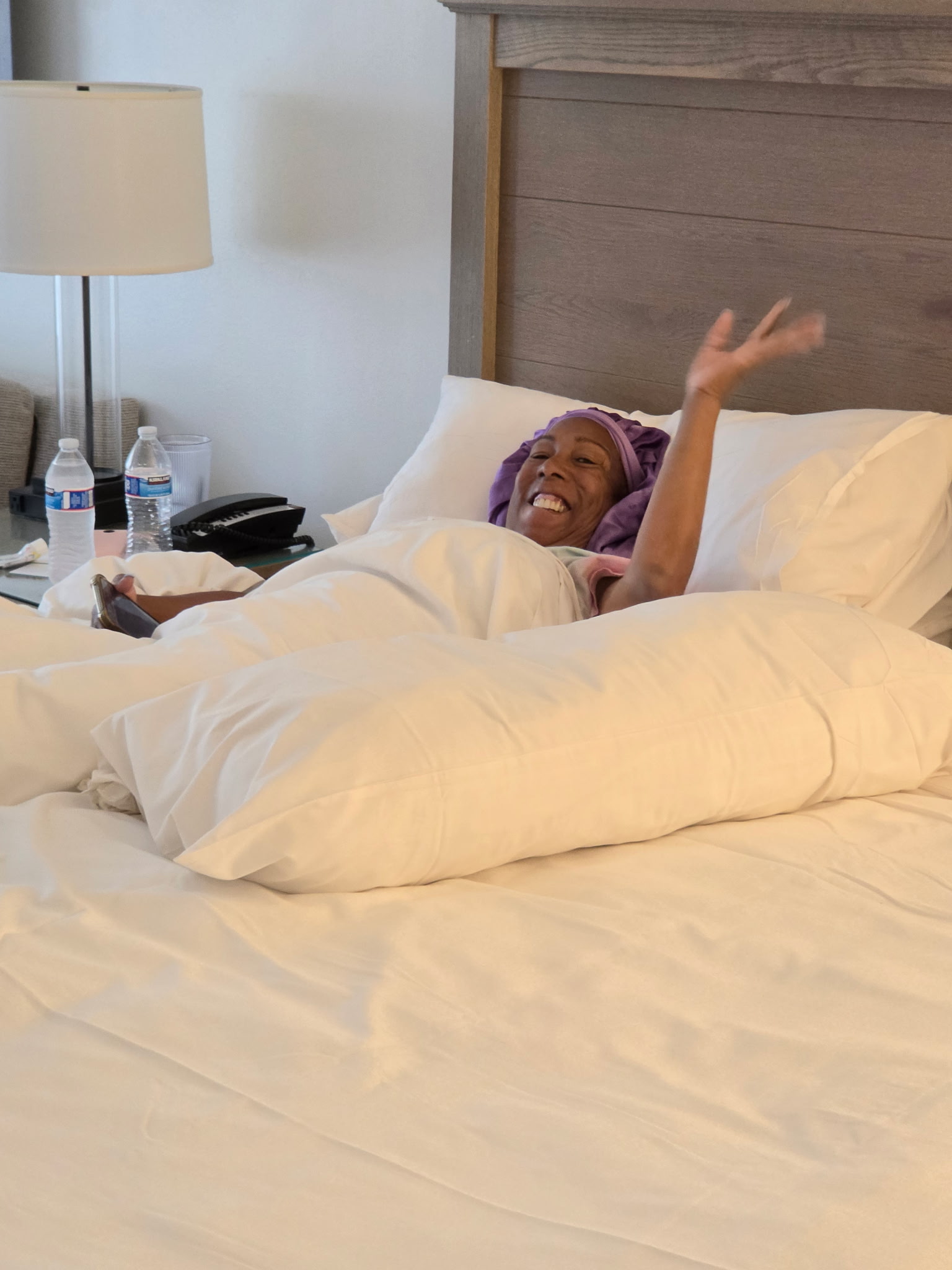
Morning and evening routines shape the entire day. When those routines are stressful, rushed, or inconsistent, it can affect mood, confidence, transportation, appointments, work, school, and community activities. For people with disabilities, routines can be especially important because they provide structure, predictability, and a sense of control.
Technology can help make these routines easier.
A Technology First approach encourages support teams to look at whether smart tools, apps, reminders, or assistive technology can help a person complete daily tasks with more independence. This does not mean every task needs a device. It means technology should be considered when it can reduce stress, increase safety, or support the person's goals.
The first step is to map the routine.
For a morning routine, that might include:
For an evening routine, that might include:
Once the routine is clear, the support team can decide where technology may help.
For example, a phone alarm can help with waking up. A smart speaker can give spoken reminders. A tablet can show a visual checklist. A smartwatch can vibrate when it is time to move to the next step. Smart lights can turn on gradually in the morning or dim in the evening. A medication reminder device can support health routines. A calendar app can show appointments, work shifts, or planned activities.
The goal is not to add technology everywhere. The goal is to identify the points where the person needs support.
Some people may need help starting a routine. Others may need help staying on track. Others may complete tasks well but lose track of time. Some may become anxious when they do not know what comes next. Technology can be adjusted depending on the need.
One useful strategy is to create routine language. This means using the same short phrases every day.
Examples:
Consistent language helps make the routine easier to learn. It also makes smart speaker commands easier to remember.
Support teams can also teach the person to control parts of the routine themselves.
For example:
When a person can manage these commands independently, technology becomes more than a reminder system. It becomes a tool for self-direction.
Visual supports can also be powerful. Some people benefit from seeing a checklist with pictures, icons, or simple written steps. A tablet, phone, or printed backup checklist can help the person follow the routine without relying only on memory or verbal prompts.
It is important to test and adjust. A reminder that works for one person may annoy another person. A routine with ten alerts may be helpful for someone, but overwhelming for someone else. Some people may prefer a calm voice reminder, while others respond better to music, vibration, lights, or visual prompts.
The person should be part of that decision whenever possible.
DC's Tech First Toolkit emphasizes that assistive technology and remote supports should be aligned with what the person wants to achieve, what they are comfortable with, and what privacy considerations should be respected. That matters because routines are personal. Morning and evening supports happen during private parts of the day, so dignity and choice should remain central.
A strong routine can reduce stress for the individual, family members, and support staff. It can also build confidence over time. When someone starts the day successfully or ends the night calmly, they are better prepared for the next part of life.
Technology does not create independence by itself. But when it is matched to the person's needs, taught clearly, and used consistently, it can make independence easier to practice every single day.
Your support can transform lives. Discover how you can contribute and be part of our mission today


